
How mag chloride hurts your car in Lakewood, and how often to wash it
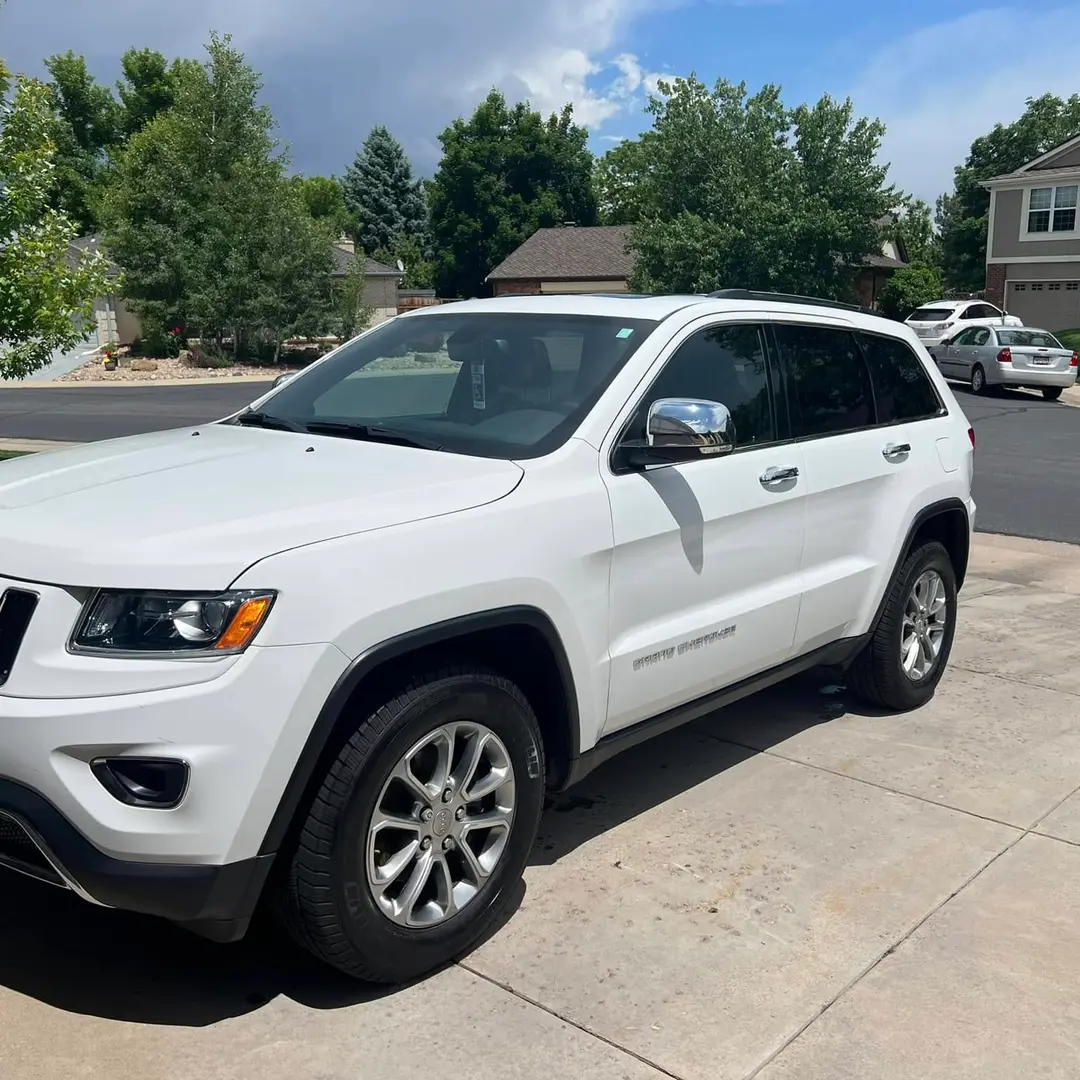
Wash your car about once a week while storms are coming through, and again after any drive on wet, treated roads. Colorado’s liquid deicer clings to the underside of a car and speeds up rust on parts you never see. A wash and wax every week or two through winter, plus a full detail in spring, keeps it from sitting there for months.
What is mag chloride, and why is it on Lakewood roads?
It’s a salt based brine that road crews spray before a storm. It stops ice from bonding to the pavement and cuts down on plowing (source).
You drive through it on Wadsworth, Kipling, West Colfax and the 6th Avenue freeway every time a storm is in the forecast. It’s a liquid, so it sprays up from the tires and coats everything behind them. On a dry day it leaves the white, chalky film you see on lower doors and rear bumpers.
What does it do to your car?
The brine settles into seams and crevices under the car. Moisture reactivates the salt, and that feeds rust. Driving pushes the solution further into hidden spots. The same source lists the parts most at risk:
- Brake lines. Rust can pit brake components and weaken the lines.
- Suspension parts. Corroded parts can start to knock over bumps.
- Fasteners and brackets. These can rust through and fail early.
- The frame and its protective coating. Chips in the coating let the salt reach bare metal.
The damage builds out of sight. Most drivers don’t notice until a mechanic finds it, and by then the repair costs far more than a wash.
On top, the film dulls paint and glass. It also gets tracked inside on your boots and dries into a white crust on carpet and floor mats.
How often should you wash your car in a Lakewood winter?
Here’s a simple schedule based on the source’s advice:
| When | What to do |
|---|---|
| During an active storm cycle | Wash about once a week |
| After driving in slush or on freshly treated roads | Wash again, even if it’s only been a few days |
| Every wash | Rinse the underside if you can reach it |
| Start and end of winter | Look under the car for rust flakes, discoloration or damp buildup |
One thing surprises people. A heated garage can make it worse. A warm car with brine on it rusts faster than a cold one, so garage parkers should rinse more often, not less.
Can you just wash it in the driveway?
Check your water provider first. Denver Water declared a Stage 1 drought effective March 25, 2026, and it runs through April 30, 2027 or until further notice. Most Lakewood water districts follow Denver Water (source).
Under Stage 1, washing a vehicle at home calls for a hose with a shut-off nozzle where it’s allowed. Lakewood has many water providers, so the rules can differ by street. Golden bans washing vehicles at home in Stage 1 entirely.
Winter adds its own problem. A driveway wash in freezing weather leaves water in door seals and locks, and it can ice over before it dries.
What should a winter wash cover?
Focus on the places brine collects:
- Lower panels and rocker panels. The white film builds up thickest here.
- Wheel wells and wheels. Tires throw brine straight into them.
- Door jambs and sills. Slush packs in here and drips onto the carpet.
- Floor mats and carpet. Salt crust soaks back in every time it gets wet.
- A coat of wax. It gives brine and grime a layer to sit on besides your clear coat.
Our Wash & Wax covers the outside, starting at From $50. If the mats and carpet have turned white, a Full Interior gets the salt out of the fibers.
When should you call a pro?
Call when any of these show up:
- The white film comes back a day after you wash it.
- The carpet has a salt line that won’t vacuum out.
- Your water provider limits home washing, or it’s too cold to wash outside.
- Winter is ending and the car hasn’t had a real cleaning since fall.
Spring is the time for a reset. A Full Detail covers the outside and the inside in one visit, so a winter of brine doesn’t carry into summer. We come to your home anywhere within 25 miles.
The short answer
Wash weekly during storm cycles, wash again after slushy drives, and rinse the underside whenever you can. Get a full detail when winter ends. See the price list, or call 720-885-2199 to set up a visit.